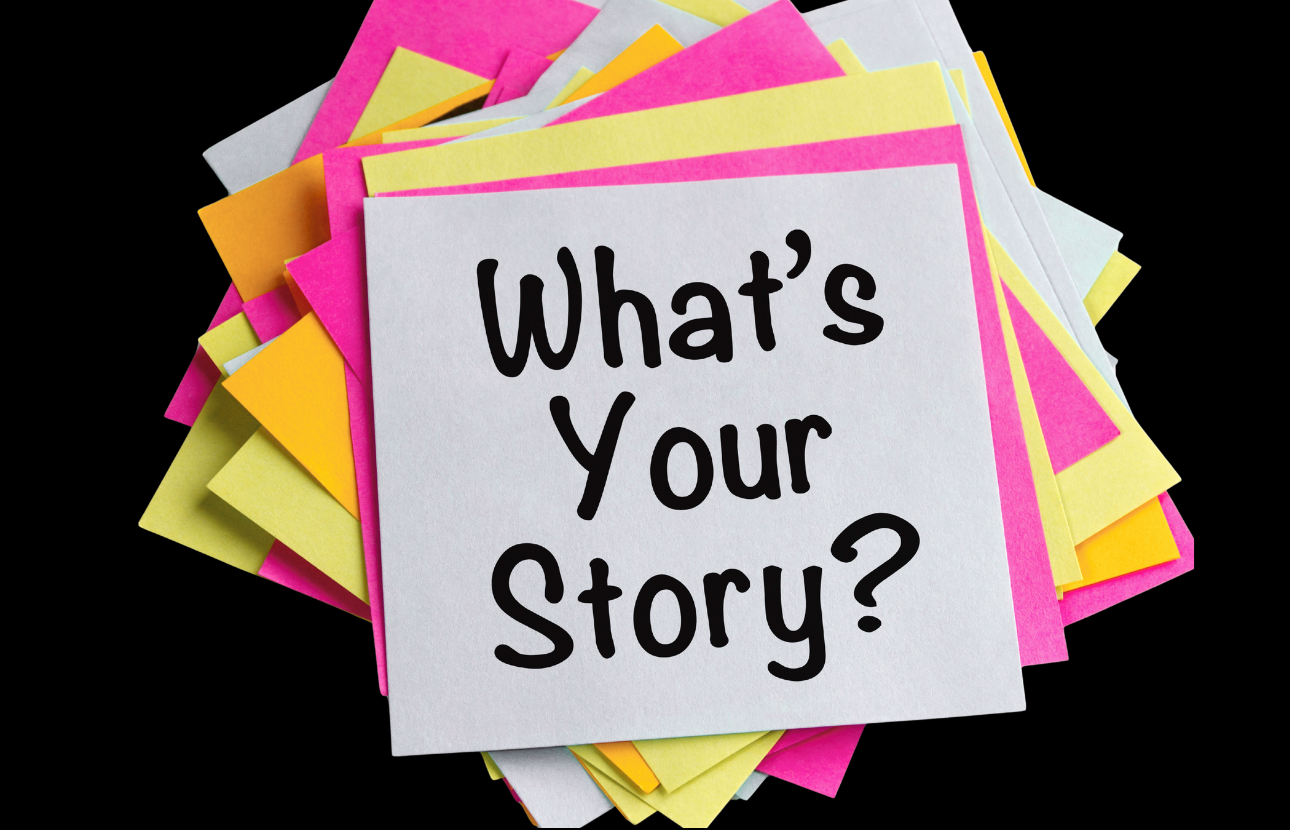
Sticky notes are great for recording new ideas for stories and anecdotes … especially if you don’t happen to have a large pad of paper nearby.
If your answer to the question in the headline is “YES” — you’re a storyteller!
Over the years, I’ve learned that sharing anecdotes is a favorite method of many public speakers who use them to grab an audience’s attention at the beginning of their talks.
But anecdotes can also be included in articles, essays, and even long “boring” technical papers that need to provide ways for readers to understand how the topics relate to them.
So … What IS an Anecdote?
According to Grammarly, an anecdote is a “brief, often personal story used to illustrate a point, capture attention, or add personality to your writing.” Basically, it’s a “mini-story.”
4 Popular Types of Anecdotes
Listed below are 4 types of anecdotes that are probably the ones most commonly used:
♦️ PERSONAL — A true story about something you experienced yourself. (helpful when trying to connect with others)
♦️ HUMOROUS — A funny story that may or may not be true. (lightens the mood, grabs the listener’s or reader’s attention)
♦️ INSPIRATIONAL — A story that describes someone overcoming a challenge or doing something meaningful. (motivational, encouraging)
♦️ CAUTIONARY — A story that shows how something went wrong. (warning)
Why Use Them?
Storytelling as a marketing tool has been around for a long time, but it was in 2012 that it really began taking off. One of the best examples of a company using stories to help spread the word about their product was Coca-Cola.
2012 was the year they launched a content marketing strategy called “Content 2020” – abandoning the old-fashioned way of advertising and using stories instead. Their goal was to do a better job of connecting with customers and adding value to their lives.
Not all businesses, however, have the luxury of devoting major amounts of time or money to “storytelling campaigns.” But virtually EVERY business (including solopreneurs and other small businesses) CAN afford to incorporate anecdotes in their messaging – in web content, emails, case studies, articles, and social media.
Anecdotes make marketing fun – for both you (the person doing the marketing) and the reader or listener.
Simple Structure
The structure of an anecdote is simple, which makes it a great tool for someone who may be intimidated by the idea of storytelling.
This is the “formula”: (1) a quick setup, (2) a key event, and (3) a takeaway.
Because anecdotes are short and descriptive, they help to paint a picture in the minds of audiences … making them easy to remember.
Helpful Resource
Anecdote — a company based in Melbourne, Australia — specializes in just one thing: helping companies learn how to tell stories through anecdotes. According to their website:
“Sharing stories helps leaders stand out, cut through the noise, and be truly heard.
“We teach leaders and sellers to inspire people with business stories, helping them find and tell stories with confidence and impact.
“And we’ve been doing it globally for over 20 years. It’s the only thing we do.”
On their “Learning” page (https://www.anecdote.com/learning/), they list multiple methods of learning more about the world of mini-stories (aka anecdotes), including a blog, podcast, and a variety of print and digital media.
* * * * *
If you have any questions on the “art of anecdotes” or would like suggestions on how to create mini-stories of your own, feel free to contact me at chris@cwcreativecontent.com.